

Are Oral Health Issues Genetic? 10 Conditions to Know
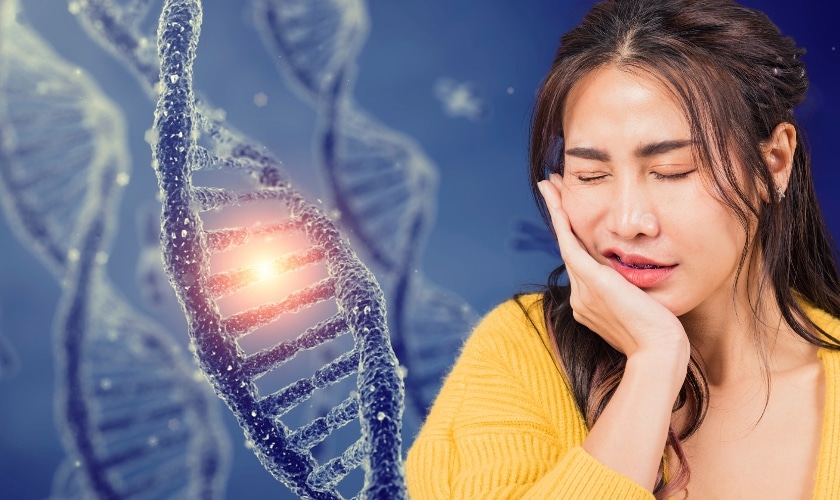
Oral health plays a vital role in our overall well-being, but many people wonder if the problems they face with their teeth and gums are hereditary. Are oral health issues genetic? The simple answer is yes: genetics can influence your dental health. From cavities to gum disease, certain conditions may be passed down through generations. Understanding these genetic factors can help you take proactive steps to protect your smile. Here are ten oral health conditions that may have a genetic link.
Common Genetic Oral Health Conditions to Be Aware Of
1. Tooth Decay
Cavities, or tooth decay, is one of the most prevalent dental health problems worldwide. While diet and oral hygiene play significant roles, genetics can also influence your susceptibility to cavities. Some people inherit softer enamel, which is more prone to decay. Additionally, the shape and alignment of your teeth can impact how easily food particles get trapped, leading to cavities.
- Genetic Influence: Softer enamel, tooth shape, and alignment.
- Prevention: Regular brushing, flossing, and dental check-ups are essential.
2. Gum Disease
Periodontal disease, another name for gum disease, affects the gums and bones supporting the teeth. Although poor oral hygiene is a major cause, genetics can also play a part. Some people are more genetically predisposed to gum inflammation, making them more susceptible to developing gum disease, even with good oral care.
- Genetic Influence: Predisposition to gum inflammation.
- Prevention: Regular dental cleanings and maintaining healthy gums.
3. Tooth Misalignment
Tooth misalignment, including crooked or crowded teeth, can be inherited. If one or both parents had braces or other orthodontic treatments, there’s a higher chance their children will need similar interventions. Tooth misalignment is not limited to cosmetic concerns; it can also affect chewing, speaking, and oral hygiene.
- Genetic Influence: Inherited tooth and jaw structure.
- Treatment: Orthodontic treatments like braces or aligners.
4. Cleft Lip and Palate
Birth abnormalities, such as cleft lip and palate, occur when a baby’s lip or mouth doesn’t form properly during pregnancy. This condition is strongly linked to genetics. Infants born with cleft palates or lips often require surgical treatment and ongoing dental care to manage related oral health issues.
- Genetic Influence: Hereditary, often linked to specific genes.
- Treatment: Surgery and specialized dental care.
5. Oral Cancer
Oral cancer is a dangerous condition that can affect the mouth, throat, or tongue. While lifestyle factors like smoking and alcohol use are significant risk factors, genetics can also increase the risk. A family history of oral cancer may put you at a higher risk, so regular screenings with your dentist in Rocklin, CA, are crucial.
- Genetic Influence: Family history of oral cancer.
- Prevention: Avoiding tobacco, limiting alcohol, and regular dental screenings.
6. Enamel Hypoplasia
A disease known as enamel hypoplasia occurs when the enamel on the teeth is thin or underdeveloped. This can lead to increased sensitivity, higher susceptibility to cavities, and cosmetic concerns. While this condition can result from environmental factors, it is also often genetic.
- Genetic Influence: An inherited condition affecting enamel formation.
- Treatment: Fluoride treatments, dental sealants, and restorative procedures.
7. Bruxism
Bruxism, or teeth grinding, is often linked to stress and anxiety, but there’s also a genetic component. If your parents grind their teeth, you may be more likely to develop this habit, which can cause tooth wear, jaw pain, and other complications.
- Genetic Influence: Predisposition to teeth grinding.
- Treatment: Mouthguards, stress management techniques.
8. Amelogenesis Imperfecta
Amelogenesis imperfecta is a rare genetic disorder affecting the development of tooth enamel. People with this condition have teeth that are discolored, pitted, or prone to breakage. The condition can vary in severity and often requires specialized dental care.
- Genetic Influence: Directly inherited condition.
- Treatment: Custom dental treatments, including crowns and veneers.
9. Dentinogenesis Imperfecta
Another hereditary condition affecting the development of dentin is dentinogenesis imperfecta. Teeth affected by this condition may be discolored, weak, and prone to breaking. Like amelogenesis imperfecta, this condition requires specialized care.
- Genetic Influence: Inherited disorder affecting dentin.
- Treatment: Dental crowns, bridges, and implants may be necessary.
10. Hyperdontia
One of the symptoms of hyperdontia is having additional teeth, known as supernumerary teeth. This illness is frequently hereditary and can result in overcrowding, misalignment, and other dental issues. Treatment usually involves removing the extra teeth to ensure proper alignment.
- Genetic Influence: The inherited tendency for extra teeth.
- Treatment: Removal of extra teeth, orthodontic treatments.
How to Manage Genetic Oral Health Issues?
Understanding the genetic factors that can affect your oral health is crucial for prevention and treatment. If you know that certain oral health issues are genetic in your family, inform your dentist in Rocklin, CA. They are able to offer tailored treatment programs to address these risks.
A healthy lifestyle, consistent dental checkups, and proper oral hygiene go a long way in managing these conditions. Don’t hesitate to discuss your family history with your dentist so they can keep an eye out for any early signs of these genetic issues.
Taking proactive steps can help you maintain a healthy smile, even if genetics aren’t entirely on your side.