

How Do Your Gums Measure Up? Understanding Pocket Depths and Periodontal Disease

Healthy gums are crucial for a strong foundation for your teeth, but how can you tell if your gums are in good shape? One of the key indicators of gum health is something called pocket depth. If you’re unfamiliar with the term, it refers to the space between your gums and teeth, which can give your dentist insight into your gum health. Let’s break it down:
What are Gum Pocket Depths?
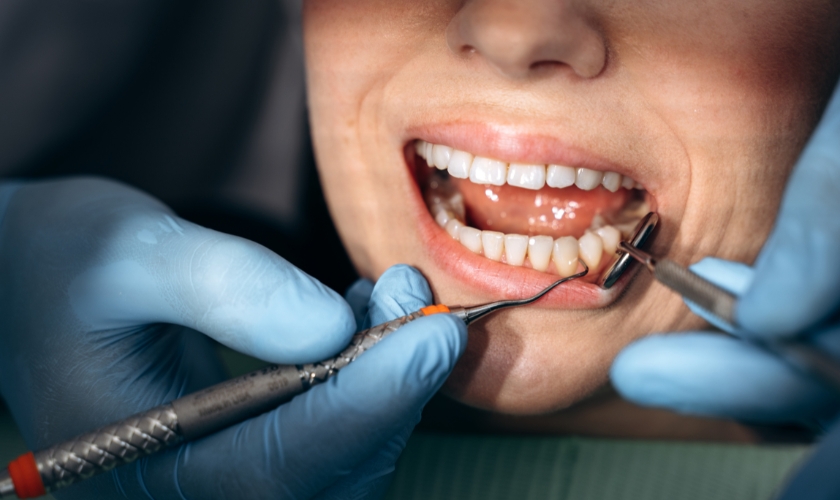
Your gums naturally fit snugly around your teeth. When you visit the dentist or hygienist, they use a small tool called a periodontal probe to measure the depth of these pockets. The depth is measured in millimeters, and the higher the number, the deeper the pocket, which may indicate potential disease.
What Do Different Pocket Depths Mean?
- 1-3 mm: Healthy Gums
At this range, your gums are in great shape! There is no significant space between your teeth and gums, which means they’re firmly attached, and there’s no sign of disease.


- 4-5 mm: Early Signs of Gum Disease
If your pocket depth falls into this range, you might have early gum disease, or gingivitis. There is some inflammation, but it’s still reversible with good oral hygiene and a professional cleaning.


- 6 mm and Above: Advanced Gum Disease (Periodontitis)
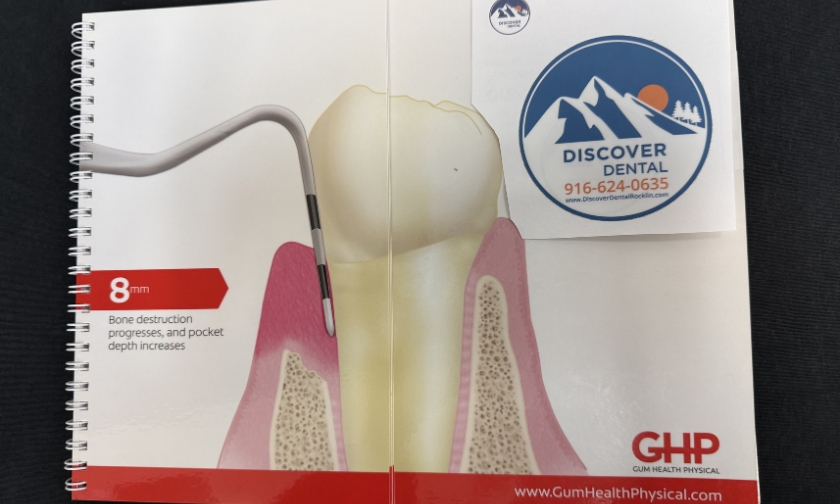
Deeper pockets indicate a more serious problem: periodontitis. The gum tissue has detached from the teeth, and bacteria are building up beneath the surface, which can lead to tooth loss and other severe dental issues. You may also notice bleeding, discomfort, or even pus around your gums.




What Is Periodontal Disease?
Periodontal disease is a progressive condition that begins with gingivitis (a mild form of gum disease) and can advance into periodontitis if left untreated. It’s caused by plaque buildup on your teeth that hardens into tartar, irritating and inflaming the gums. If untreated, periodontitis can lead to tooth mobility, gum recession, and even tooth loss.
The Role of Pocket Depth in Diagnosing Gum Health
As your dentist we will measure these pockets during a routine checkup to assess your risk for periodontal disease. The greater the depth, the more severe the condition. If pockets measure 4mm or deeper, we may recommend more frequent cleanings, or even a deep cleaning treatment called scaling and root planing, which removes tartar below the gumline.