

Is it True that Dental Implants Never Get Cavities?
It’s a common belief that once you replace a missing tooth with an implant, you’re free from future dental problems. After all, these restorations are artificial, so they must be immune to issues like decay, right? That assumption sounds logical, but it also creates confusion. Natural teeth and artificial replacements behave very differently, and understanding that difference matters more than most people realize.
Many patients assume that because implants are not made of natural enamel, they cannot develop cavities. That part is technically true. However, it doesn’t tell the whole story. The real concern is not just about the implant itself, but what happens around it over time. This is where misunderstandings can lead to problems.
If you’re considering dental implants or already have one, it’s important to know what’s fact and what’s fiction. This blog breaks it down clearly so you know what to expect and how to protect your smile long-term.
Why People Think Implants Can’t Get Cavities
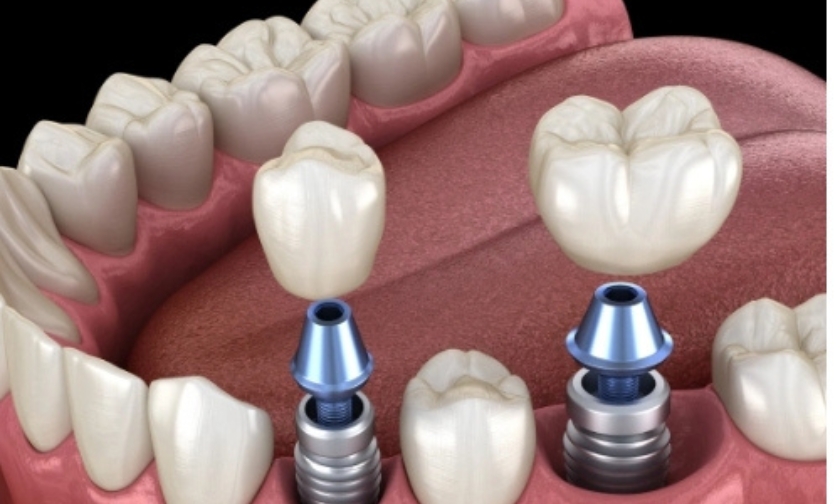
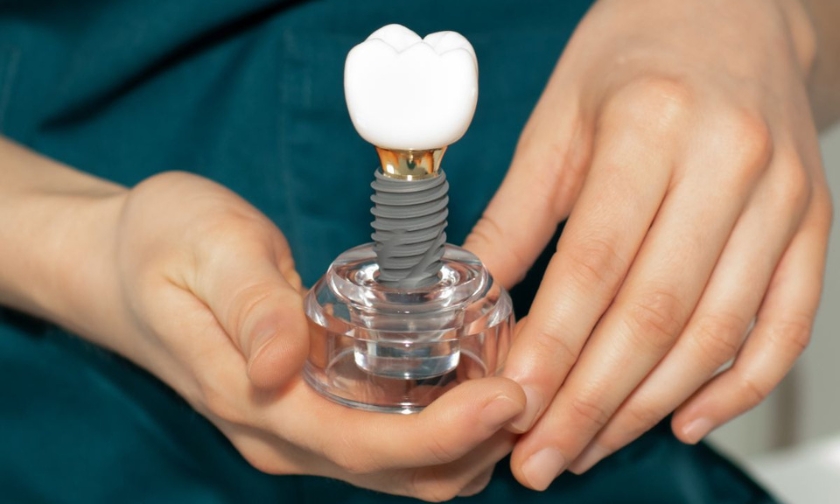
The idea that implants cannot get cavities comes from how they are built. Unlike natural teeth, implants are typically made from titanium or high-strength ceramic materials. These are non-organic substances, which means they do not decay the way enamel does. Since cavities form when bacteria break down enamel, it makes sense that something without enamel would not be affected in the same way.
This leads to a common conclusion: no enamel means no cavities, and therefore no risk. On the surface, that reasoning feels accurate. However, it simplifies a much more complex reality. While the implant itself does not decay, the surrounding environment in your mouth remains exactly the same. Bacteria are still present. Plaque still forms. Gum tissue still reacts to irritation.
In everyday life around Rocklin, whether you’re grabbing coffee near Quarry Park or enjoying a meal along Sunset Boulevard, your oral environment constantly interacts with food, drinks, and bacteria. That does not change just because one tooth has been replaced.
The misconception happens when people assume implants eliminate all dental risks. In reality, they only remove one specific risk: cavities in the artificial structure. Everything else, especially gum health, still plays a major role. That is why proper care remains essential, even with the most advanced tooth replacement options.
The Direct Answer: Can Dental Implants Get Cavities?
The straightforward answer is no. Implants do not develop cavities because they are not made of natural tooth material. There is no enamel layer for bacteria to break down, which means the classic decay process simply cannot occur within the implant itself.
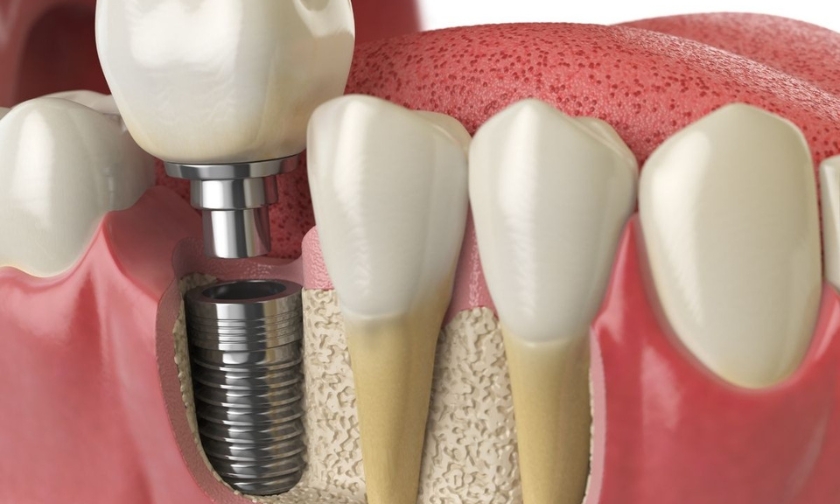
However, stopping at that answer can be misleading. While the implant is safe from decay, the tissues around it are not. Your gums and the underlying bone still function exactly as they would around a natural tooth. If plaque accumulates and is not removed properly, it can irritate the gums and create inflammation.
This is where many people underestimate the risk. The absence of cavities does not mean the absence of disease. In fact, neglecting care can lead to conditions that are just as serious, if not more damaging, than decay. The implant relies on healthy surrounding tissue for support. Without that support, its stability can be compromised.
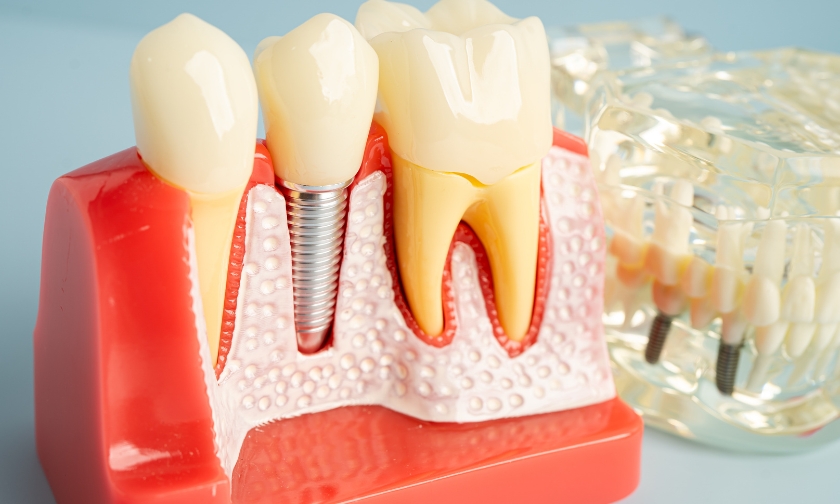
Think of it this way: the implant itself is durable, but it depends entirely on the health of what surrounds it. If the gums weaken or the bone begins to recede, the implant can loosen or fail. That is why routine checkups and consistent hygiene habits remain critical.
At Discover Dental, patients are often surprised to learn that maintaining dental implants in Rocklin requires just as much attention as natural teeth. The difference is not in how much care is needed, but in what that care focuses on.
The Real Risk: What Can Go Wrong Around Implants
Peri-Implant Mucositis (Early Stage)
This is the earliest stage of trouble around an implant. It involves inflammation of the gum tissue, often caused by plaque buildup. You might notice redness, mild swelling, or slight bleeding when brushing. At this stage, the condition is reversible with proper care and professional cleaning.
Peri-Implantitis (Advanced Stage)
If early inflammation is ignored, it can progress into peri-implantitis. This condition affects not just the gums but also the bone supporting the implant. Over time, bone loss can weaken the structure and lead to failure. Treatment becomes more complex at this stage, making early detection essential.
Plaque and Bacteria Still Matter
The same bacteria that cause gum disease around natural teeth can affect implants. Poor oral hygiene allows plaque to accumulate, creating an environment where inflammation thrives. Even without cavities, these bacterial effects can cause serious damage.
Living in a community like Rocklin, where busy schedules often revolve around work, family, and outdoor activities at places like Johnson-Springview Park, it’s easy to overlook subtle symptoms. However, small signs can quickly escalate if ignored. Staying consistent with oral care helps prevent these complications before they begin.
Why Implants Still Require Daily Care
Even though implants do not decay, daily care is non-negotiable. Brushing and flossing remain essential because they remove plaque from the gumline, where most problems begin. Skipping these steps allows bacteria to accumulate, increasing the risk of inflammation.
In many cases, patients benefit from specialized tools. Interdental brushes can clean areas that regular toothbrushes miss, while water flossers help flush out debris around the implant. These tools make it easier to maintain a clean environment without damaging surrounding tissue.
Regular professional cleanings also play a key role. A dental team can remove buildup that cannot be handled at home and monitor the health of your gums and bone. This level of care helps detect early changes before they become serious.
The key takeaway is simple. Implants eliminate the risk of cavities, but they do not eliminate the need for maintenance. Keeping the surrounding tissues healthy is what ensures long-term success.
How Implant Care Differs from Natural Teeth
Caring for implants shifts the focus away from decay prevention and toward maintaining gum and bone health. Since there is no enamel, the goal is not to prevent cavities but to prevent inflammation and structural damage.
This means paying close attention to how your gums respond. Any signs of irritation should be addressed early. Bite pressure also becomes important. Excess force from grinding or clenching can affect the stability of the implant over time.
Unlike natural teeth, implants do not have the same internal structure or nerve response. That makes it harder to feel early warning signs. As a result, routine monitoring becomes even more important. Professional evaluations ensure everything remains stable and properly aligned.
Signs Something May Be Wrong with an Implant
Recognizing early symptoms can make a significant difference in outcomes. Some warning signs include bleeding around the implant when brushing or flossing. Swelling or redness in the surrounding gum tissue is another common indicator.
A persistent bad taste or odor may suggest bacterial buildup. In more advanced cases, you might notice discomfort or slight movement in the implant. These symptoms should never be ignored.
Early detection allows for simpler treatment and better outcomes. Waiting too long can lead to more serious complications that require extensive care. Staying alert to changes helps protect your long-term results.
How to Protect Your Investment Long-Term
Protecting your implant starts with consistency. Daily brushing and flossing create the foundation for long-term success. Routine visits ensure that any issues are addressed before they progress.
Avoiding tobacco use is also important, as it can interfere with healing and increase the risk of complications. If you grind your teeth at night, a custom nightguard can help reduce pressure and protect the structure.
Following post-treatment instructions is equally important. Every patient receives guidance tailored to their situation, and sticking to those recommendations makes a measurable difference. Long-term success depends on how well these habits are maintained over time.
Common Myths About Dental Implants
One common myth is that implants last forever without any maintenance. While they are durable, they still require consistent care to remain stable. Another misconception is that they are completely problem-proof. As discussed, surrounding tissues can still develop issues if neglected.
Some people also believe that professional cleanings are unnecessary once an implant is placed. This is not true. Regular visits are essential for monitoring gum health and preventing complications.
Understanding these myths helps set realistic expectations. Dental implants in Rocklin are a reliable solution, but they work best when paired with proper care.
Implants do not get cavities, and that is a major advantage. However, that does not mean they are maintenance-free. The health of your gums and supporting bone plays a critical role in their success. Ignoring care can lead to complications that affect stability and longevity.
Staying consistent with hygiene, recognizing early signs, and attending regular checkups all contribute to long-term success. For patients in Rocklin and nearby communities, maintaining these habits ensures that your smile stays strong and functional for years.
If you have questions or want to make sure everything is on track, scheduling a visit to Discover Dental is a smart next step. A proactive approach today helps prevent bigger concerns tomorrow.
People Also Ask
How long do dental implants last with proper care?
With consistent oral hygiene and routine checkups, implants can last many years. Their longevity depends largely on the health of the surrounding gums and bone.
Do dental implants require special cleaning tools?
In many cases, yes. Tools like interdental brushes or water flossers help clean areas around the implant more effectively than regular brushing alone.
What are the early signs of implant problems?
Common signs include bleeding gums, redness, swelling, or a persistent bad taste. Early detection makes treatment simpler and more effective.
Can dental implants get infected years later?
Yes, infections can occur even years after placement if plaque builds up. This is why long-term maintenance and regular dental visits are important.
Is flossing necessary if you have dental implants?
Yes, flossing is essential. It removes plaque from areas your toothbrush cannot reach, helping protect the gums and bone around the implant.