

How Can Dr. Pak Help Rocklin Adults with Chronic Gum Bleeding?
Gums that bleed every time you brush don’t just create an unpleasant experience – they’re sending a consistent message that something in your oral environment has shifted. A lot of adults normalize it. They assume it’s because they missed a few days of flossing or brushed a little too hard, and they move on. But chronic gum bleeding, like the kind that shows up reliably, week after week, is almost never explained away that simply.
Dr. Pak works with Rocklin families who are dealing with this. If you’ve been searching for a dentist near Rocklin, CA, and wondering whether your gum bleeding warrants professional attention, the short answer is yes. What’s actually causing it and what treatment looks like is what this guide covers.
Why Gums Bleed: The Actual Mechanism
Healthy gum tissue is firm, pale pink, and doesn’t bleed from normal contact. Gums bleed when they’re inflamed, and inflammation is the body’s response to bacterial irritation along and beneath the gumline. Plaque, the soft bacterial film that forms continuously on tooth surfaces, is the primary trigger. When plaque isn’t fully removed through daily brushing and interdental cleaning, it accumulates at the gumline, releases toxins, and provokes an immune response in the surrounding tissue.
That immune response increases blood flow to the area and makes the tissue more fragile. Brushing or flossing against inflamed gum tissue causes bleeding because the blood vessels near the surface are engorged, and the tissue integrity is compromised. It’s not that you’re brushing too hard – it’s that the tissue itself is in a reactive state.
What Chronic Bleeding Signals
Gingivitis
Gingivitis is the most common cause of chronic gum bleeding, and it’s the stage of gum disease most worth catching. According to the CDC, nearly half of American adults over 30 have some form of periodontal disease, and gingivitis in its earliest, fully reversible form. The infection hasn’t yet moved into the bone; it’s confined to the soft tissue. A professional cleaning to remove hardened calculus, combined with improved home care, is typically enough to resolve it completely.
The reason gingivitis persists despite regular brushing is usually calculus or tartar that has mineralized below the gumline, where a toothbrush can’t reach. That calculus harbors bacteria and sustains the inflammation. No amount of diligent home brushing removes it once it’s formed. Only a dental instrument does. So, look online for a ‘dentist near me’ to find the best local dentist for a thorough treatment.
Periodontitis
Left unaddressed, gingivitis can progress to periodontitis — an extensive infection that affects the bone and connective tissue anchoring teeth in place. At this stage, gum pockets deepen, bone resorbs, and the structural support of affected teeth begins to erode. Bleeding at this stage is still present but often accompanied by other signs: gum recession, increased tooth spacing, sensitivity to pressure, or teeth that feel less stable than they used to.
Periodontitis requires more intensive treatment than a standard cleaning, such as scaling and root planing, and, in some cases, additional periodontal therapy. The goal is to eliminate bacterial deposits from root surfaces, allow the tissue to reattach, and reduce pocket depth. Dr. Pak conducts thorough periodontal evaluations to assess the extent of disease progression and determine the appropriate level of treatment.
Systemic Contributors
Gum bleeding isn’t always driven solely by oral bacteria. Several systemic factors increase gum tissue fragility and inflammatory response:
- Diabetes — poorly controlled blood sugar creates a favorable environment for bacterial growth and impairs the body’s ability to fight infection; the relationship between diabetes and gum disease is bidirectional
- Hormonal changes — pregnancy, menopause, and certain phases of the menstrual cycle all alter how gum tissue responds to plaque, sometimes increasing bleeding
- Blood-thinning medications — anticoagulants and daily aspirin therapy reduce the body’s clotting capacity, making gum bleeding more pronounced even when underlying inflammation is mild
- Nutritional deficiencies — low vitamin C impairs collagen synthesis in gum tissue, and low vitamin K affects clotting; both can contribute to more persistent bleeding
- Stress — chronic stress elevates cortisol and suppresses immune function, making it harder for the body to manage the bacterial load that drives gum inflammation
Sharing your full health and medication history with Dr. Pak gives a more complete picture of what’s driving your symptoms.
What Dr. Pak’s Evaluation Process Looks Like
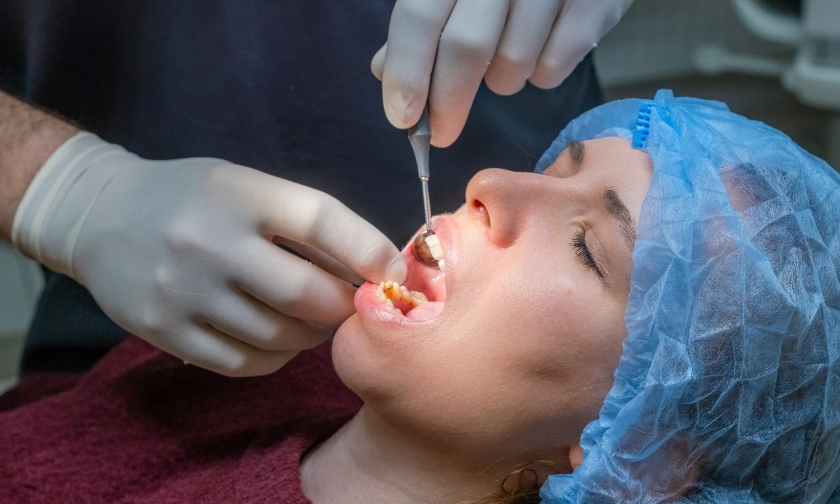
Diagnosing the source of chronic gum bleeding isn’t guesswork. Dr. Pak uses a structured clinical assessment to determine the extent and nature of what’s happening below the gumline before recommending any treatment.
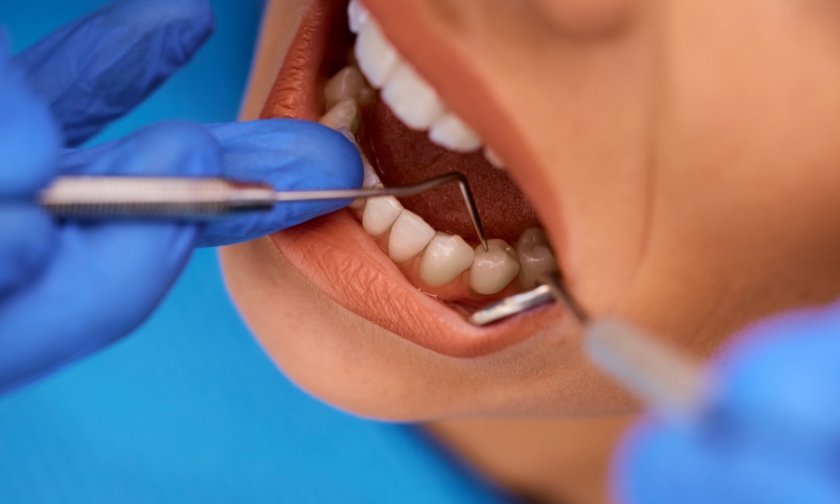
The evaluation includes periodontal probing — measuring the depth of the space between each tooth and the surrounding gum tissue at multiple points. Healthy sulcus depths fall between one and three millimeters; readings of four millimeters or more indicate inflammation, and deeper measurements suggest bone involvement. These readings, combined with X-rays assessing bone levels and a visual assessment of tissue condition, give a clear classification of periodontal status.
From there, treatment recommendations are tailored, not a general instruction to floss more. Whether the situation calls for a standard cleaning, a deep cleaning with scaling and root planing, a revised home care routine, or a referral for advanced periodontal therapy depends entirely on the evaluation.
Dr. Pak at Discover Dental is a dentist near Rocklin who takes periodontal health seriously and gives patients a clear picture of where things stand and what their options are. Book your appointment at the practice online or by phone, and find out what’s going on and what it takes to fix it.